Is the Utah Housing Party Over? Deciphering the National "Value Dip" Headlines
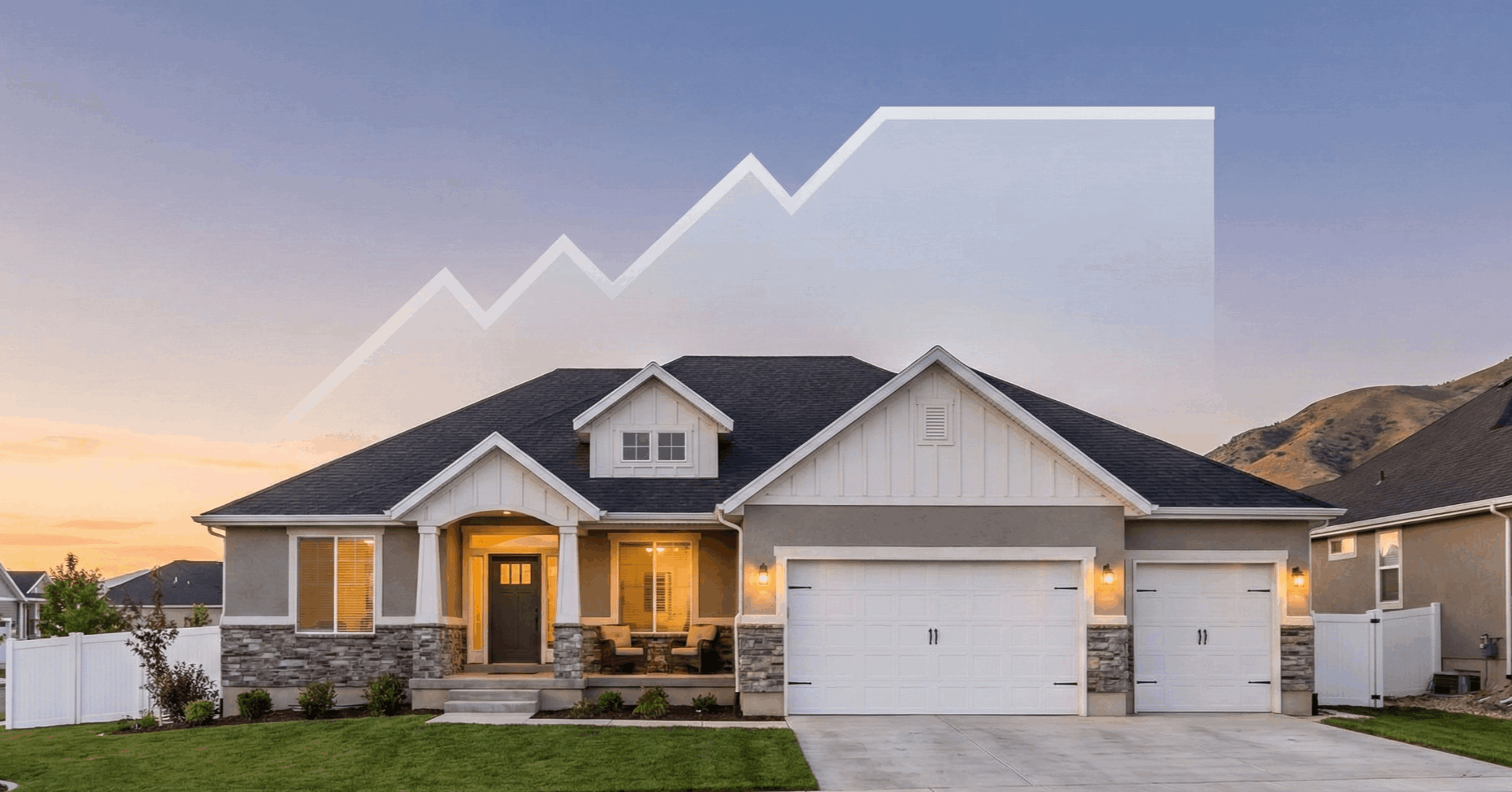
Hold onto your ski poles, folks. You might have seen the headlines floating around late last year that made some homeowners choke on their Fry Sauce. A Zillow report dropped in November 2025 dropping a hefty statistic: 53% of U.S. homes lost value over the previous year. That’s the highest percentage of homes seeing a dip since 2012.
If you're sitting in your Sugar House bungalow or your Heber City hideaway reading that, your first instinct might be to panic-check your Zestimate.
Stop right there.
Here at the Utah Digs blog, we specialize in filtering the national noise through a local Wasatch lens. We know that real estate in Salt Lake City and Park City doesn't always dance to the same tune as the rest of the country.
Let’s dig into what that data actually means for us here in the Beehive State and why the sky isn't falling over the Wasatch Mountains.
The National Context: A Necessary Breather
First off, let's define "lost value." In the context of that report, it didn't mean homes plummeted by 20%. It generally meant that after the absolute fever dream of price appreciation we saw in the early 2020s, prices in many markets softened slightly from their absolute peak.
It was less of a crash and more of a collective exhale after sprinting up a mountain.
The Utah Digs Reality Check:
"When national headlines scream about 'lost value,' they are often talking about a 1% or 2% correction in overheated markets like Phoenix or Boise. While significant, for the average homeowner who has owned their home for more than three years, they are still sitting on massive amounts of equity."
The Wasatch Front & Back Resilience
Utah is different. We aren't just saying that because we live here (okay, maybe a little). We have unique economic drivers that insulate us from severe national swings.
While national inventory piled up in some areas, causing prices to dip, the Greater Salt Lake City area continued to face a housing shortage relative to our job growth. Sure, the bidding wars cooled off, and houses sat on the market longer than the 48 hours they did back in 2022, but a massive drop in value? Not so much in our prime neighborhoods.
And then there is the Wasatch Back.
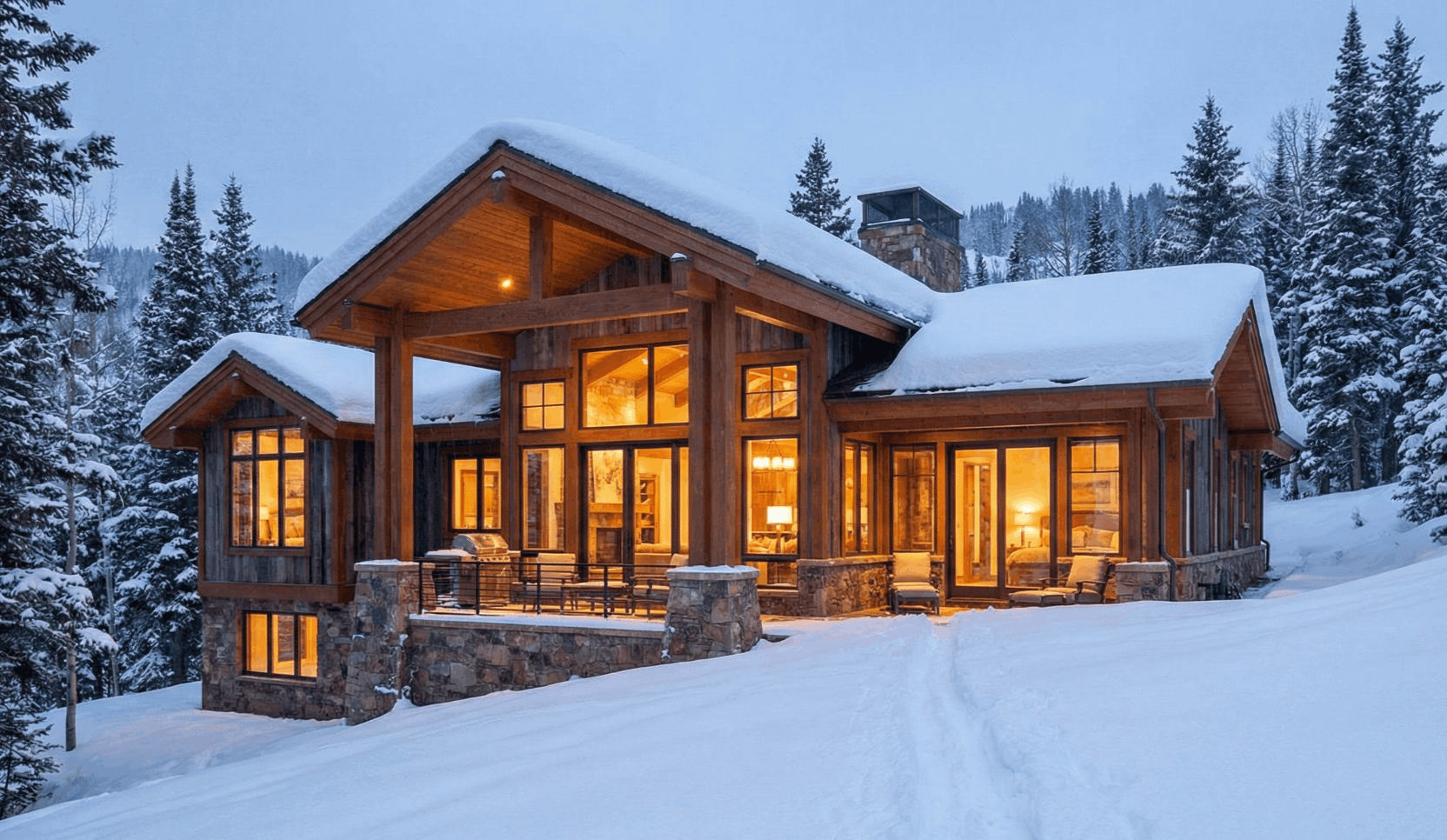
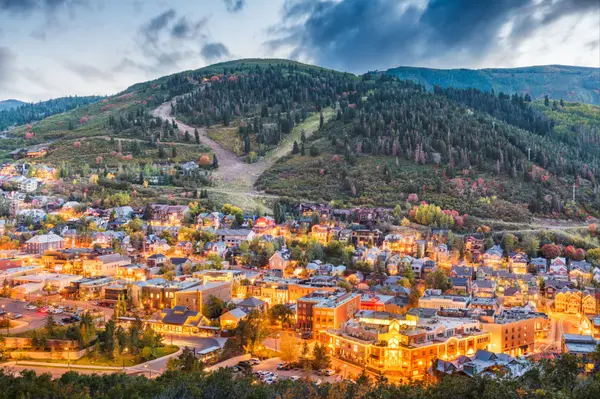
The Park City greater area operates almost as its own real estate micro-climate. When you are dealing with world-class ski access, luxury second homes, and limited developable land, values tend to remain incredibly stubborn.
While a condo in a generic U.S. suburb might have lost value last year, a ski-in/ski-out property in Deer Valley likely just saw its appreciation curve flatten, rather than invert.
Utah vs. The Nation: The Vibe Check
To help visualize how our market behaves differently, here is a breakdown of general trends we observed locally versus the national averages reported late last year.
(Note: The local data points below are illustrative of typical market variances in the Wasatch region compared to national trends during cooling periods)
| Metric | National Trend (Late 2025 Report) | The Wasatch Front Vibe (SLC, Sandy, Draper) | The Wasatch Back Vibe (Park City, Heber, Kamas) |
| Value Trend | 53% of homes saw slight dips. | Stabilization. Minor dips in outlying suburbs; core areas held steady. | Resilient. Flat pricing or slow, steady growth in luxury sectors. |
| Inventory | Significant increases in many regions. | Increased, but still tight in desirable school districts. | Low inventory remains the biggest challenge. |
| Buyer Mood | Hesitant, waiting for rate drops. | Cautiously optimistic. Buyers are active but picky. | Lifestyle-driven. If the right mountain home pops up, they buy. |
The Silver Lining: Opportunities in a "Cooler" Market
So, 53% of the country saw values dip. Why is this actually good news for some of our Utah clients? Because a balanced market is a healthier market.

If you are looking to make a move in 2026, here is the lay of the land:
For Wasatch Front Buyers:
-
Negotiation is Back: Remember inspections? Remember asking for concessions for a rate buydown? Those are back on the table.
-
Time to Breathe: You don't have to put in an offer 15 minutes after the open house. You can actually think about it over the weekend.
For Wasatch Back Investors:
-
Quality Over Chaos: The frenzy has slowed, meaning you can properly analyze investment properties in the Park City area without competing against fifty blind offers.
-
Long-Term Focus: The short-term flippers have mostly exited the market. Now is the time for buy-and-hold investors who understand the enduring value of the mountain lifestyle.
For Sellers Anywhere in Utah:
-
Pricing is Paramount: You can still sell for a great price, but "aspirational pricing" (throwing out a crazy number and hoping it sticks) is over. You need accurate, localized comparative data.
-
Presentation Matters: In a slightly softer market, staging and professional marketing make all the difference.
The Final Thought:
Don't let national statistics scare you out of your local dreams. The Wasatch Front and Back remain some of the most desirable places to live in the country. We have the jobs, we have the mountains, and we have the lifestyle.
While the national market took a necessary breather last year, Utah real estate is just catching its second wind.
Are you curious about what your specific Salt Lake County or Summit County home is worth in today's shifting market? Contact Blair Allen of Utah Digs for a property specific analysis.
Categories
Recent Posts
Leave a Reply