The 2034 Winter Olympics Are Coming Back to Utah — Here's What It Means for Your Home's Value
By a local Utah realtor working the Wasatch Front & Wasatch Back - Blair Allen | Utah Digs
"We've added about 1.2 million more people since 2002 — that's roughly the size of all of Salt Lake County today." — Natalie Gochnour, Director, Kem C. Gardner Policy Institute, University of Utah
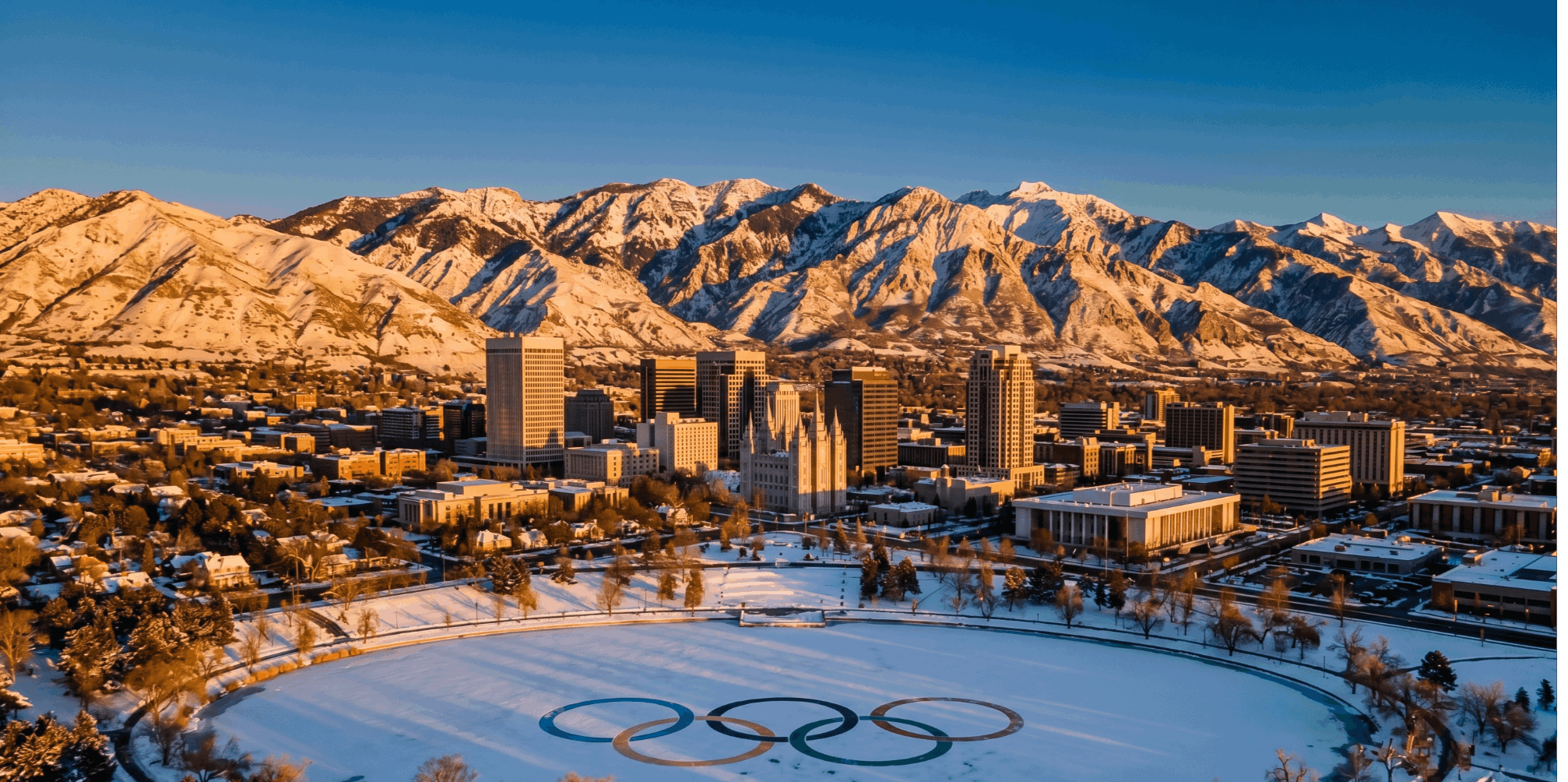
The 2034 Winter Olympics are coming back to Salt Lake City. And if you own a home in Utah — or you're thinking about buying one — this is the most important real estate story you probably aren't talking about yet.
I was here in 2002. I was young, and honestly, I wasn't paying attention to cap rates and days on market back then. But I watched what happened to this state in the years that followed. Utah went from a place people left — it had actually experienced seven years of net out-migration before the Games — to one of the fastest-growing, most sought-after states in the country. Salt Lake City went from a city that "closed at 6 or 7pm" to a legitimate 24/7 urban destination with a booming tech scene, a brand new international airport, a new NHL team, and world-class everything within a short drive.
That transformation didn't happen overnight. But the 2002 Olympics lit the match.
Now that match is being lit again — and this time, we're watching it happen in real time.
What Happened After 2002: The Numbers Tell the Story
Before we look forward to 2034, let's look at what 2002 actually did to Utah. Because the data is genuinely striking.
- Utah's population in 2002: 2.3 million. By 2034, the University of Utah's Kem C. Gardner Policy Institute projects it will reach 4.1–4.3 million — nearly doubling in just over three decades.
- Utah has added approximately 1.2 million residents since 2002 — roughly equal to the entire population of Salt Lake County today.
- Salt Lake City's wages have risen 51% over the past decade, and the area evolved into "Silicon Slopes" — one of America's fastest-growing tech corridors.
- Utah's international exports grew 33.9% since 2002, and international visitors increased from approximately 610,000 to 777,000 annually (based on 2019 data).
- The region added over 100 miles of new commuter and light rail track, and Salt Lake City International Airport grew from 18.6 million passengers in 2002 to a record 25.7 million in 2022.
The 2002 Games put a global spotlight on Utah. People came, they saw the mountains, the snow, the lifestyle — and they stayed. Or they went home and told everyone they knew.
2034 is going to do that again. Except this time, Utah is starting from a much bigger platform.
Why 2034 Is a Bigger Deal Than Most People Realize
Here's the thing: most Utah homeowners and buyers I talk to aren't really thinking about the Olympics yet. The Games are still 8 years away, and life is busy. But in real estate, 8 years is nothing. If you're buying a home today, you'll still be in it when the torch is lit.
And the runway to 2034 matters. Here's what's already unfolding:
- More international visitors are coming now. As venues are confirmed and training schedules ramp up, athletes and their teams will begin making regular trips to Utah to train and acclimatize to altitude. That means more international money flowing into local communities — hotels, restaurants, short-term rentals, and real estate.
- Global attention is building. Media coverage, tourism campaigns, and Olympic committee investments will keep Utah in the international spotlight for the next eight years straight.
- Infrastructure investments are already underway. Roads, transit, venue improvements — these enhance livability and property values long after the Games conclude.
- The IOC projects a $6–7 billion economic boost to the region. That's not a number that shows up in real estate headlines today. But it will.
Which Areas Stand to Benefit Most?
This is the question I get asked most often when this topic comes up — and my honest answer is: almost everywhere along the Wasatch Front and Wasatch Back.
The 2034 Games won't be concentrated in one place. Venues are spread across a wide geographic footprint, which means the rising tide will lift a lot of boats. Here's how I see it breaking down:
🏔️ The Wasatch Back — Park City, Heber Valley & Kamas
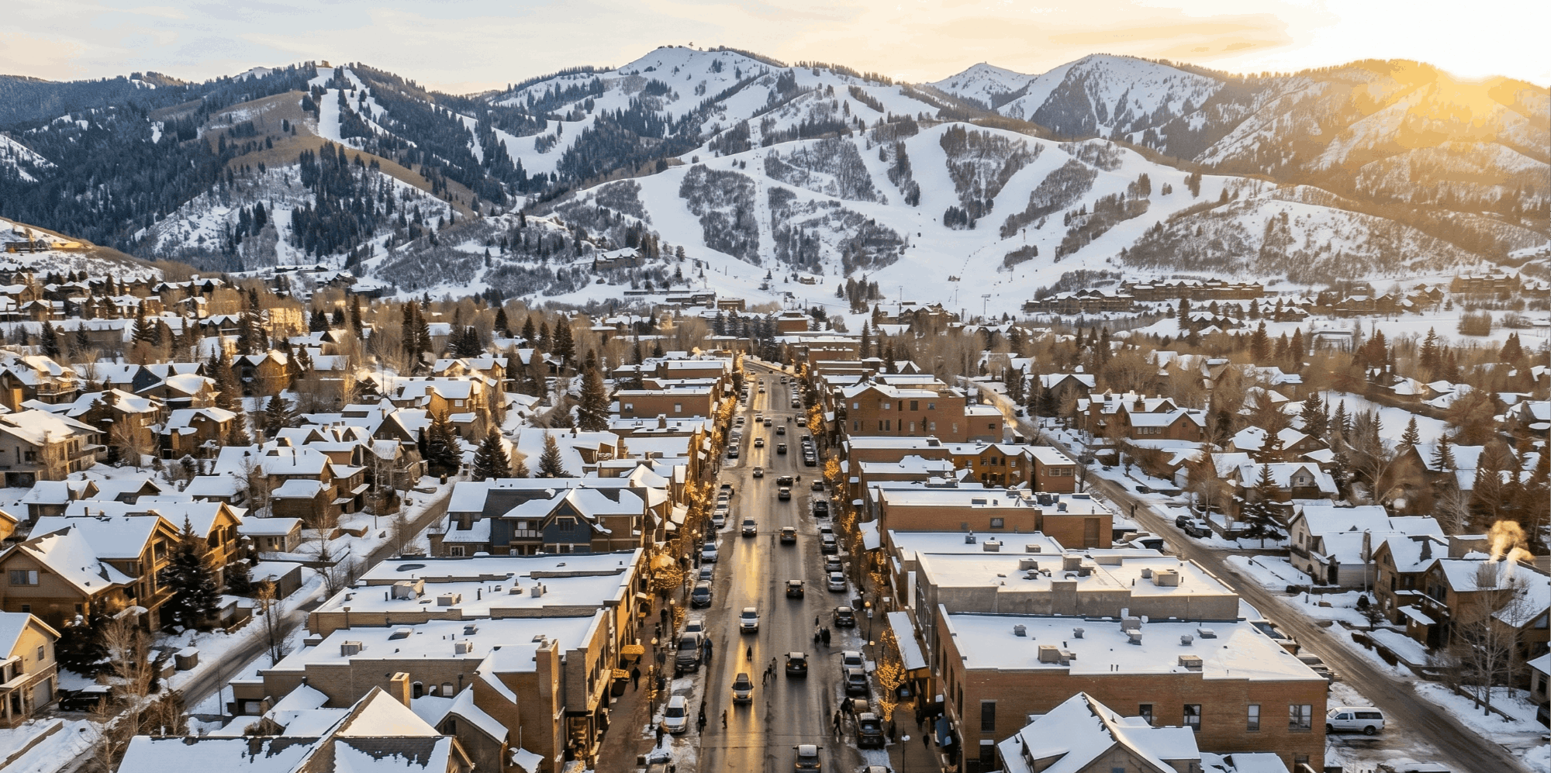
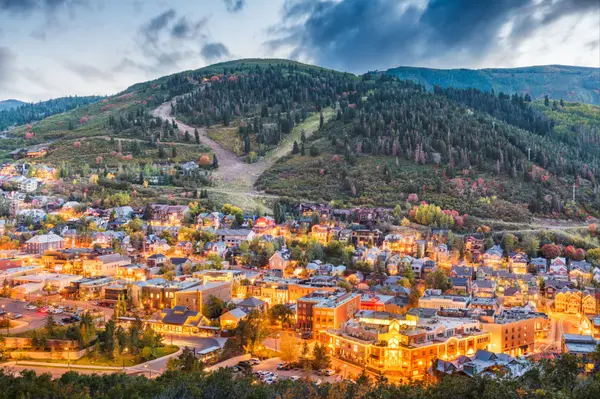
These markets are going to feel the Olympic effect most acutely. The ski venues — including Park City, Kamas, and surrounding areas — will host some of the marquee alpine and Nordic events. Deer Valley and Park City Mountain Resort are already world-class. Add Olympic competition to that resume and you're talking about a global luxury real estate story.
The Heber Valley — including Heber City, Midway, and Hideout — offers more accessible price points with proximity to the action. Smart buyers are already eyeing this corridor. And Promontory continues to attract high-net-worth buyers who understand the long-term play.
My take: If you're considering a second home or investment property in the Wasatch Back, the window before Olympic buzz fully pricing in is closing. These are higher-priced homes near luxury ski resorts — and international money gravitates toward exactly this kind of asset.
🏙️ The Wasatch Front — Salt Lake City & Suburbs
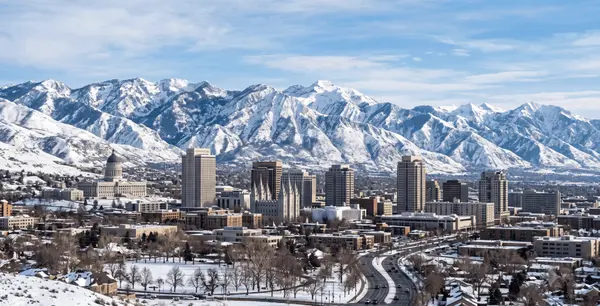
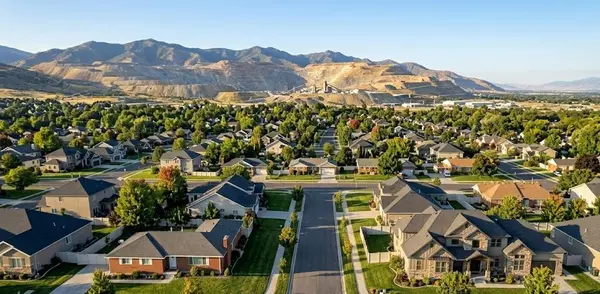
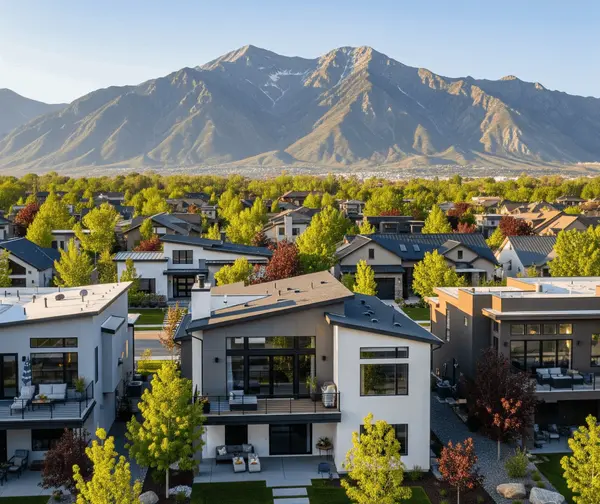
Salt Lake City is the heart of the Games — and the city is already transforming independent of the Olympics. But the suburban markets deserve equal attention. Indoor venues, transportation hubs, athlete housing, media centers — these facilities don't all fit in one zip code.
Areas like Sandy, Draper, and Cottonwood Heights sit at the intersection of urban accessibility and mountain proximity — exactly the profile that tends to appreciate in an Olympic cycle. Millcreek, Sugarhouse, and Holladay benefit from their position as established neighborhoods with tight inventory and growing demand. Even West Valley City, West Jordan, and Murray — often overlooked in these conversations — will see the benefits of increased regional activity and infrastructure investment.
Should You Sell Now or Hold?
I get asked this constantly, and here's my honest answer: it depends on you — but for most people, there's no reason to wait.
Here's how I think about it for each type of homeowner:
If You Need to Move — Move.
Don't let the Olympics be the reason you stay in a home that no longer fits your life. Waiting 8 years for a market event that may push your price higher is not a strategy — it's a gamble with your life circumstances as the chips. The market is healthy right now. Inventory has increased, buyers have more options, and realistic pricing still gets results. Reach out and let's talk about where you stand.
If You're On the Fence About Buying — Get In Now.
This is where I'd push back firmly. If you've been sitting on the sidelines waiting for rates to drop or prices to correct, consider this: the tailwinds building toward 2034 are real. Every year you wait, you're buying later on a potentially higher-priced asset. The people who bought in Salt Lake City in 2003 or 2004 — a year or two after the 2002 Games — look very smart today.
If You're an Investor or Second-Home Buyer — The Clock Is Ticking.
The Olympic premium hasn't fully priced into Utah real estate yet. That window won't stay open forever.
The Short-Term Rental Opportunity Is Real
One angle that doesn't get enough attention: what happens when the Games actually arrive and you own a home in Utah?
The short-term rental market during an Olympics is not a small thing. Property owners in host cities routinely command premium nightly rates from visitors, media personnel, athletes' families, and event staff. Platforms like Airbnb and VRBO will be flooded with demand across the entire Wasatch region during the 2034 Games.
And this isn't hypothetical — Utah already has a thriving short-term rental ecosystem. Airbnb, fractional ownership companies, second home investors — this market is very active here, particularly in the Park City and Heber Valley corridors. Owners who position their properties well in the years leading up to 2034 could see meaningful returns both from appreciation and from rental income during the event itself.
The Bigger Picture: Utah in 2034
Here's what I believe, and it's not just Olympics hype:
Utah is on an extraordinary trajectory — with or without the Games.
- World-class skiing — you've got Deer Valley, Alta, Snowbird, Park City, Solitude, Brighton, and more within an hour of downtown Salt Lake City
- The Utah Jazz, Real Salt Lake, and now an NHL team — the professional sports ecosystem is maturing fast
- Hours from multiple national parks — Zion, Bryce, Arches, Canyonlands, Capitol Reef — the outdoor lifestyle here is genuinely unmatched
- Downtown Salt Lake City is booming — new development, dining, arts, nightlife, and a cultural energy that didn't exist 20 years ago
- Silicon Slopes — one of the most dynamic tech and startup corridors in the country, drawing talent (and homebuyers) from California, Seattle, and beyond
- Strong job growth and a young population — the NAR named Salt Lake City one of the top housing markets to watch in 2026, specifically citing these factors
The 2034 Olympics aren't creating Utah's story. They're accelerating it — and putting a global spotlight on something that's already genuinely great.
As Brad Wilson, CEO of the 2034 Olympic and Paralympic committee, put it: "The growth was going to happen whether or not the '02 Games occurred because of who we are and what we are. The Games were a catalyst."
That's exactly right. And the catalyst is firing again.
The Bottom Line
Whether you're a homeowner wondering what your property is worth in this environment, a buyer trying to decide if now is the right time, or a seller figuring out your next move — the 2034 Olympics are a factor worth understanding.
My advice is simple: don't wait for the buzz to arrive before you act. By the time the whole world is talking about Utah real estate and the Olympics, the opportunity will already be priced in.
If you want to talk through what this means for your specific situation — whether you're on the Wasatch Front, the Wasatch Back, or somewhere in between — I'd love the conversation.
Explore Utah Neighborhoods
Wasatch Back / Summit & Wasatch County
Wasatch Front / Salt Lake County
Have questions about buying or selling in Utah? Reach out here.
Categories
Recent Posts
Leave a Reply