#1 Again! Why Utah Was Just Named America’s Best State for the 4th Year in a Row (and What It Means for Wasatch Real Estate)
"Utah’s No. 1 ranking comes down to consistency—a booming economy, fiscal rock-solidness, top-tier infrastructure, and a vibrant, young workforce." — U.S. News & World Report
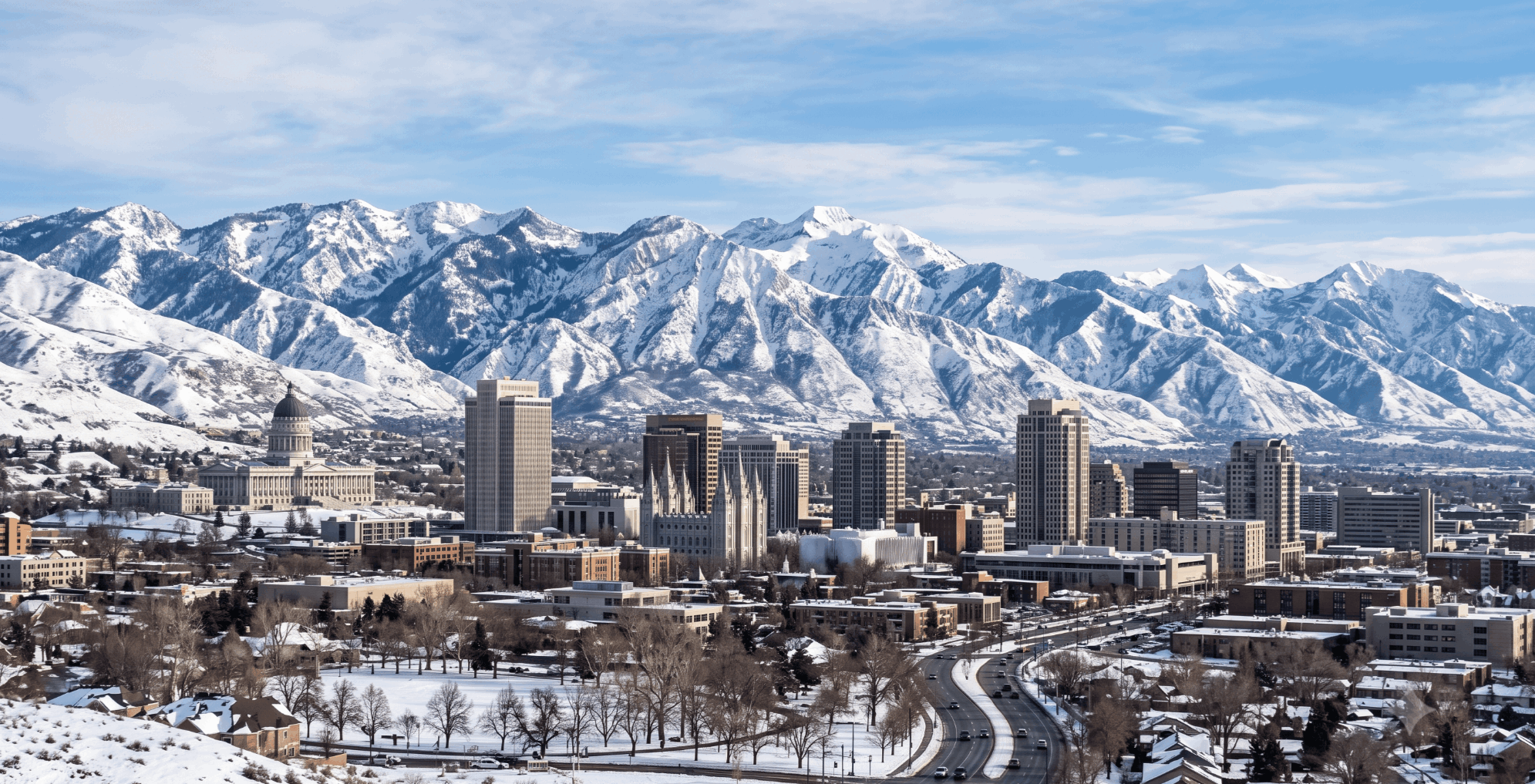
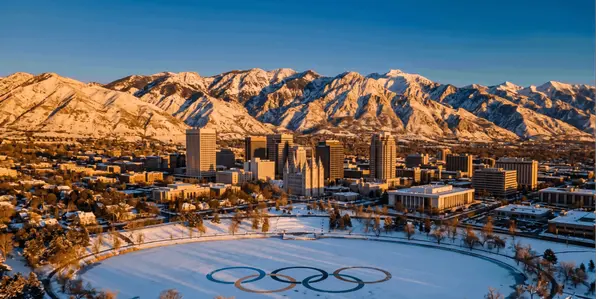
It’s official! According to the U.S. News & World Report Best States Rankings, the Beehive State has snagged the #1 overall spot in the nation for the fourth consecutive year. Whether you're sipping craft coffee in Downtown Salt Lake City or hitting the powdery slopes in Park City, Utah continues to set the gold standard for economic strength, high quality of life, and unmatched long-term real estate value.
At Utah Digs, we keep our eyes glued to local market dynamics across both the Wasatch Front (Salt Lake, Utah, and Davis counties) and the Wasatch Back (Summit and Wasatch counties).
While a #1 ranking sounds fantastic on paper, as your local real estate experts, we have to look closely at what these rankings mean in practice. A strong ranking attracts buyers, capital, and economic energy, but it also brings real trade-offs—rising housing costs, tighter inventory, and rapid regional growth. Here is a clear-eyed, balanced breakdown of what this historic four-peat means for homeowners, buyers, investors, and anyone looking at Utah real estate.
By the Numbers: How Utah Secured the Top Ranking
The U.S. News & World Report evaluation measures states across 70+ distinct metrics. Utah’s overall victory is driven by strong performances in core economic and civic categories. However, each strength comes with a real estate counterweight that buyers and sellers must navigate carefully.
Utah’s Category Scorecard & Market Realities
| Category | National Rank | The Bright Side (Opportunities) | The Counterweight (Risks & Trade-offs) |
|---|---|---|---|
| Economy | #2 | High job growth and thriving tech/biotech hubs sustain steady housing demand. | Rapid corporate influx increases competition for entry-level and mid-tier single-family homes. |
| Fiscal Stability | #2 | Low state debt and balanced budgets keep municipal infrastructure well-funded. | Strong fiscal health keeps land values high, pricing out lower-income first-time buyers. |
| Infrastructure | #4 | TRAX light rail, FrontRunner expansion, and airport upgrades keep transit moving. | Highway construction and high-density developments alter traditional suburban neighborhood dynamics. |
| Education | #6 | Top-tier public K-12 and university systems elevate family neighborhood appeal. | High demand in top school districts creates steep price premiums and bidding wars. |
| Crime & Safety | #7 | Low crime rates make neighborhoods highly desirable and secure for long-term equity. | Safe, high-demand areas carry premium price-per-square-foot metrics. |
| Healthcare | #18 | World-class medical networks anchored by University of Utah Health and Intermountain. | Regional healthcare centers center heavily in urban hubs, leaving rural pockets with longer commute times. |
Wasatch Front vs. Wasatch Back: Comparing the Regional Markets
Real estate in Northern Utah offers two distinct market profiles depending on which side of the Wasatch Range you settle on.
1. The Wasatch Front (Salt Lake, Utah, and Davis Counties)
- The Drivers: Driven by the expanding Silicon Slopes tech corridor in Lehi and Draper, a growing financial sector downtown, and expanding transit routes.
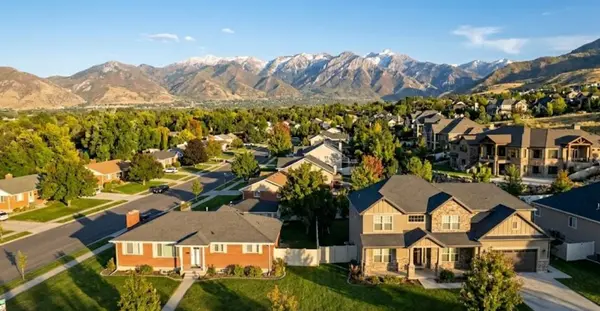
- Strengths: High liquidity, robust job pool, diverse housing types (from urban condos to suburban single-family homes), and rapid access to Salt Lake International Airport.
- Weaknesses & Flaws: Inventory shortages remain a constant pressure point. High demand has pushed median prices beyond historic norms, creating affordability hurdles for first-time buyers. High-density infill projects can also impact localized traffic patterns.
2. The Wasatch Back (Park City, Deer Valley, Heber Valley)
- The Drivers: Fueled by luxury primary home relocations, second-home buyers, and resort tourism.
- Strengths: Strong wealth preservation, world-class resort amenities, strict zoning laws that preserve natural open spaces, and premium equity growth.
- Weaknesses & Flaws: Extreme entry barriers due to steep price tags, high HOA and resort fees, and limited inventory. The seasonal nature of resort towns can create fluctuations in local service industries and rental demand cycles.
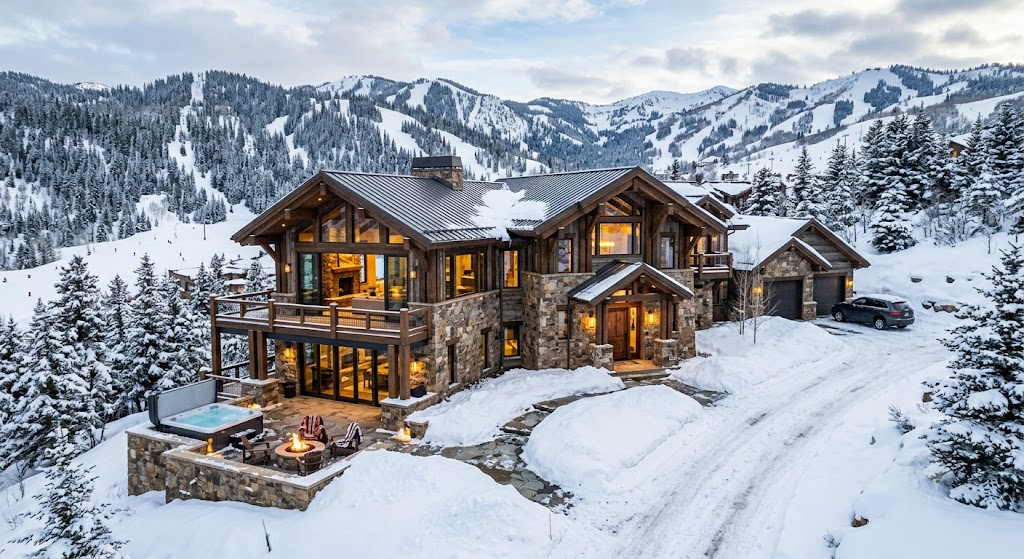
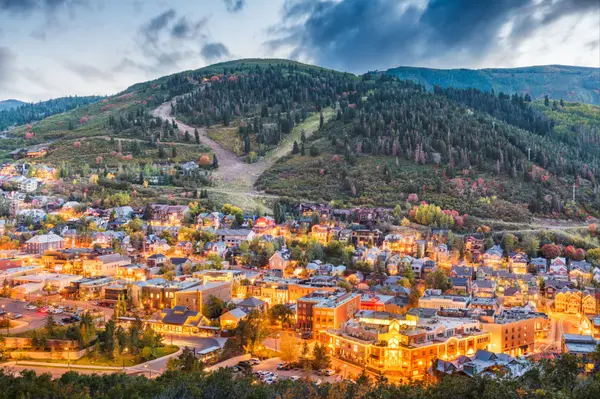
Luxury alpine real estate in Park City, Utah.
Key Facts About Utah’s Winning Streak
- Four-Year Dynasty: Utah has consistently ranked at the top of national state rankings over four consecutive years, proving its economic model isn't a short-term trend.
- Demographic Energy: Utah holds one of the youngest median ages in the country (~31.5 years), driving strong long-term household creation and local economic activity.
- Outdoor Economy: Utah's recreation and resort ecosystem generates billions annually, providing a major lifestyle incentive for out-of-state buyers relocating from coastal markets.
- Infrastructure & Future Growth: Major regional investments tied to upcoming international events continue to accelerate transportation and venue upgrades across both the Front and Back ranges.
Real Estate Insights & Frequently Asked Questions
What makes Utah's real estate market so resilient?
Utah’s market resilience comes down to economic diversification. Unlike regions tied to a single industry, the local job engine spans technology, medical research, outdoor manufacturing, defense, and financial services. However, buyers should recognize that high demand keeps inventory tight, meaning dramatic price drops are rare even during broader national market cool-downs.
Is now a good time to buy real estate in Salt Lake City or Park City?
Timing depends entirely on your financial goals. Long-term fundamentals—like strong job growth and limited buildable land constrained by mountains—support long-term value appreciation. However, short-term buyers facing elevated interest rates must evaluate monthly carrying costs carefully rather than counting purely on rapid short-term equity spikes.
How does living on the Wasatch Front compare to the Wasatch Back?
The Wasatch Front offers greater housing density, closer access to major hospitals, corporate headquarters, and international travel. Check out our Salt Lake City real estate guides for deeper community insights. On the other hand, the Wasatch Back focuses on lifestyle amenities—skiing, golf, trail systems, and private mountain communities—with lower density, but at a significantly higher price-per-square-foot entry point.
Ready to Navigate the Utah Real Estate Market?
Whether you're looking for a home in Salt Lake's Sugar House neighborhood, a tech-corridor single-family home in Lehi, or a luxury chalet overlooking Park City, Utah Digs provides clear, objective market analysis to help you make informed decisions.
- Search current homes and land for sale across the Wasatch Front and Back at utahdigs.com.
- Get a clear evaluation of your home's current market position and equity profile today.
Categories
Recent Posts
Leave a Reply